History Curriculum Intent
Throughout their learning journey at Dean Field School, the children will gain a coherent knowledge and understanding of Britain’s past and that of the wider world. One of our aims is to inspire pupils’ curiosity about the past in order to support and encourage the asking of perceptive questions, critical thinking and the development of perspective and judgement.
We will support our children to do this by building awareness of both their own heritage and that of the wider world, and by equipping them with essential disciplinary skills that can be used in meaningful historical enquiry. We aim to supply the children with the resources and tools needed to be effective historians who are able to understand the complexity of people’s lives, the process of change, the diversity of societies and the relationships between different groups. Artefacts, visitors and educational visits are used to stimulate an in-depth and analytic understanding of significant events in British history as well as an appreciation of how things have changed and will continue to change over time.
The children are taught the skills that will enable them to have a better understanding of the society in which they live and that of the wider world, as well as how history of wider world has impacted upon Britain both in the past and at present. This helps the children to gain a sense of their own identity within a social, political, cultural and economic background. Without history, there would not be a future!
Aims for pupils
Through our teaching of history, we aim to:
- Stimulate pupils’ interest in discovering the past.
- Enable children to know and understand the history of Britain, from the earliest times to the present day.
- Provide the children with a coherent knowledge and understanding of Britain’s past and the wider world, and the impact on the modern day. This includes understanding how people and events from the past have influenced modern-day British culture and British values, and how Britain has influenced and been influenced by the wider world.
- Develop a strong understanding of the chronology of all the time periods studied in preparation for any new learning.
- Develop the children’s skills so they can study historical evidence and give understanding and reason whilst analysing evidence and making judgements or decisions.
- Encourage children to consider different points of view with explanation and reasoning.
- Make links between topics through systematic thinking.
How our History Curriculum Is Constructed
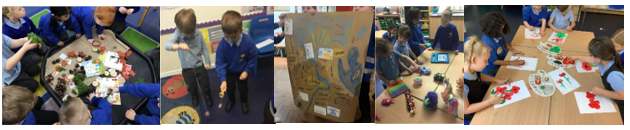
For years 1 – 6, we follow the National Curriculum as defined by the Department for Education. The history curriculum is underpinned by providing our children with wider opportunities, independent learning and basic skills.
History is taught in years 1-6 through a topical theme in specific half terms throughout the year. These themes have been established to ensure that chronological understanding is sequenced, relevant and can support children in building upon prior learning. A body of key knowledge in the form of ‘Must Know Facts’ is established for each historical topic. The unit is planned in a way so that these facts are recapped and revisited to encourage retention.
Why? We teach history in themed half terms as it allows greater opportunity for children to draw on knowledge from other subject areas and form a wider subject basis. We regularly link our English unit to our historical topic. Teaching history in this way supports the learning in other subjects to give a contextual understanding as well as supporting retention. We use stories to reinforce the teaching of history and to support in the developing of love of reading.
Teachers liaise with colleagues from other year groups to ensure that prior learning is drawn upon and used as a foundation for future learning. The subject leader provides support and advice during planning stages to ensure that learning is well sequenced. Links are made with other areas of the curriculum to provide opportunities for learners to apply historical skills to their learning across the curriculum. Literacy skills are developed through report writing, debating, reading, researching, recording information, speaking and listening.
Historical learning is carried out inside and outside of the classroom, where pupils investigate a variety of people, places and environments in the United Kingdom and the wider world. They compare and contrast the different eras that they study and learn about the people, lifestyle and culture and environment in that time.
In EYFS, history aspects of the children’s work are related to the objectives set out in the Early Learning Goals (ELGs), as outlined in Development Matters. These underpin the curriculum planning for children aged two to five as history makes a significant contribution to the development of a child’s knowledge and understanding of the world and the people and communities within it.
History Must Knows
Below, are a selection of the Must Knows that we provide for each year group, for each History topic covered. These Must Knows are designed to be used at home by parents as part of homework and revision, in school to supplement work in lessons and to recap previous learning. We want every pupil to be able to recall the facts given on the sheet but also to research further into the information provided. These are carefully structured so that knowledge and vocabulary are sequenced and built upon over time. We are confident that these Must Knows will help our children to develop and retain key knowledge on a wide range of topics and will significantly improve their vocabulary.
A full range of History Must Knows can be found on each class’ Seesaw account.
Enriching Opportunities and Experiences
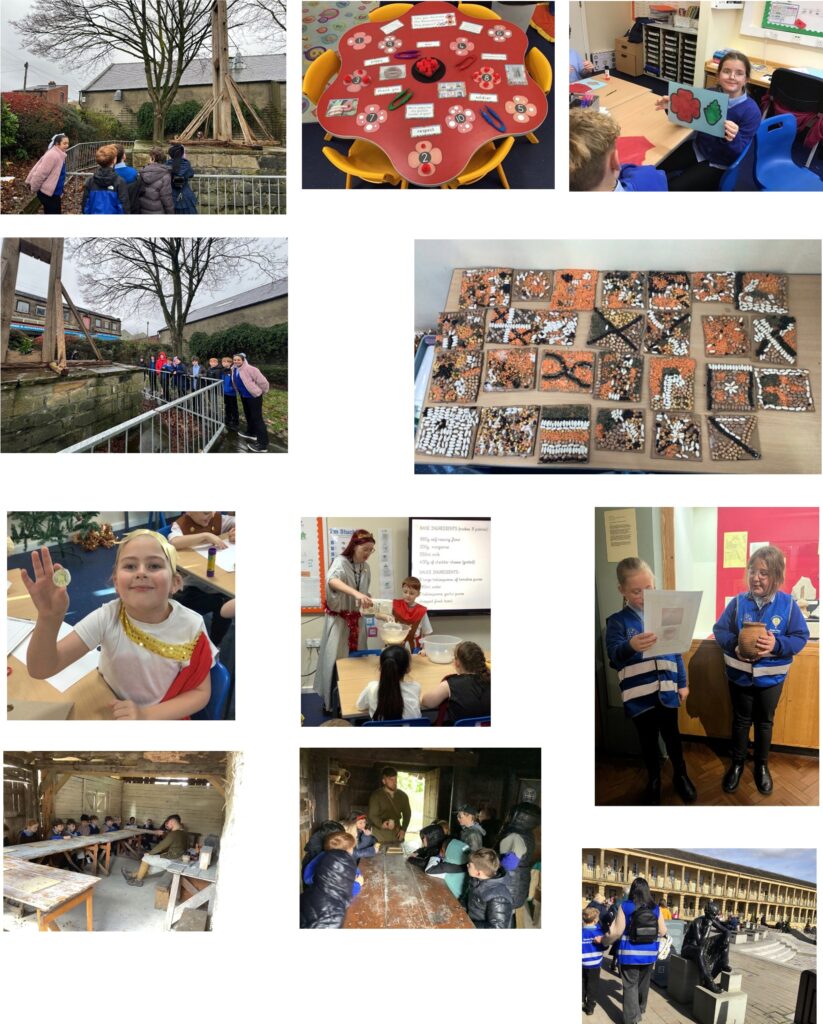
Our Annual Grandparent’s Day Celebration
Every year in October, we celebrate Grandparents’ Day. This special event provides an opportunity for grandparents and other important people in our children’s lives to come into school and spend quality time with their grandchildren, relatives, or friends.
During the day, children and their visitors take part in a range of shared activities including interviews and conversations about life in the past. These activities help children to learn first-hand about personal history and how life has changed over time bringing history to life in a meaningful and memorable way.
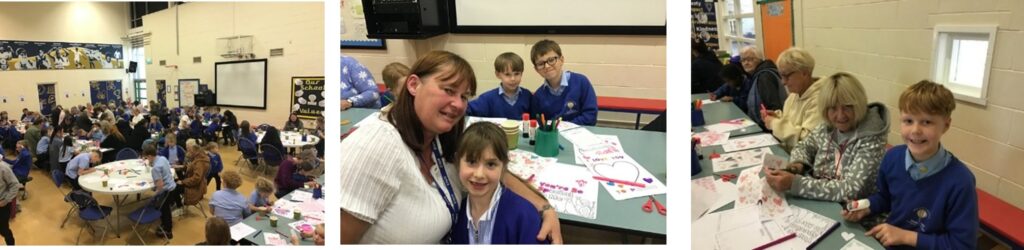
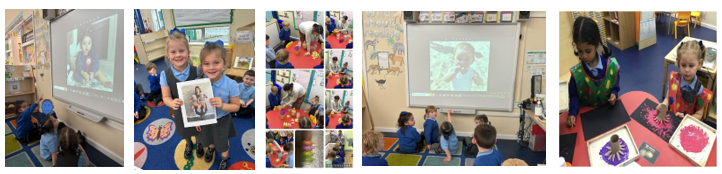
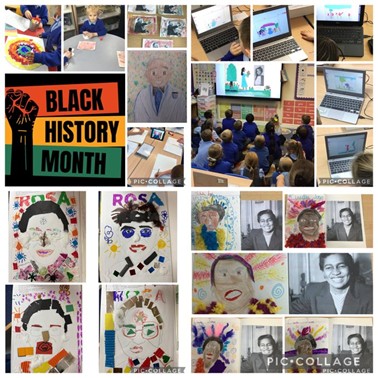
Black History Month
Every year, our school celebrates Black History Month using this as an opportunity to learn about and reflect on the lives and achievements of significant Black individuals from the past and present. Children explore the impact these individuals have had on history, society, culture, science, sport, and the arts.
Pupils respond to their learning creatively, often through art, discussion and drama, allowing them to express understanding in meaningful and engaging ways. This creative response helps children to deepen their knowledge while developing empathy, respect, and curiosity about the wider world.
While Black History Month provides a focused time for learning, Black history is not limited to one month. It is woven throughout our history curriculum so that children regularly encounter diverse historical figures, stories, and perspectives across different periods and topics. This approach ensures that history is taught as rich, inclusive and representative of the world we live in today.
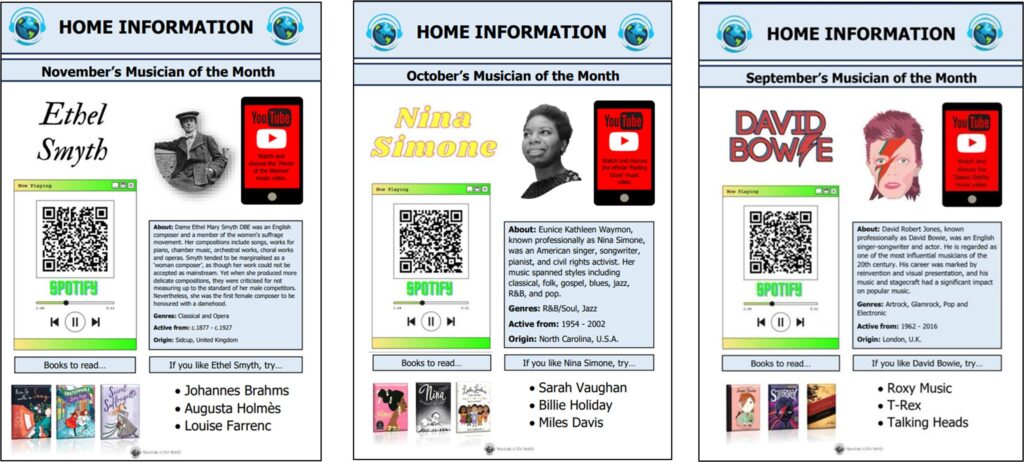
History linked to Music
Musician of the Month
This year, we are excited to launch Musician of the Month! Each month, children will explore the life, history, and music of an iconic artist.
Musician of the Month aims to create a culture of musical appreciation and understanding across the school. Pupils will listen to and engage with a wide range of high-quality live and recorded music, carefully selected from different musical traditions, composers, and musicians.
Through this programme, children will develop their listening skills, broaden their musical knowledge, and build an appreciation of music from a variety of cultures and time periods.
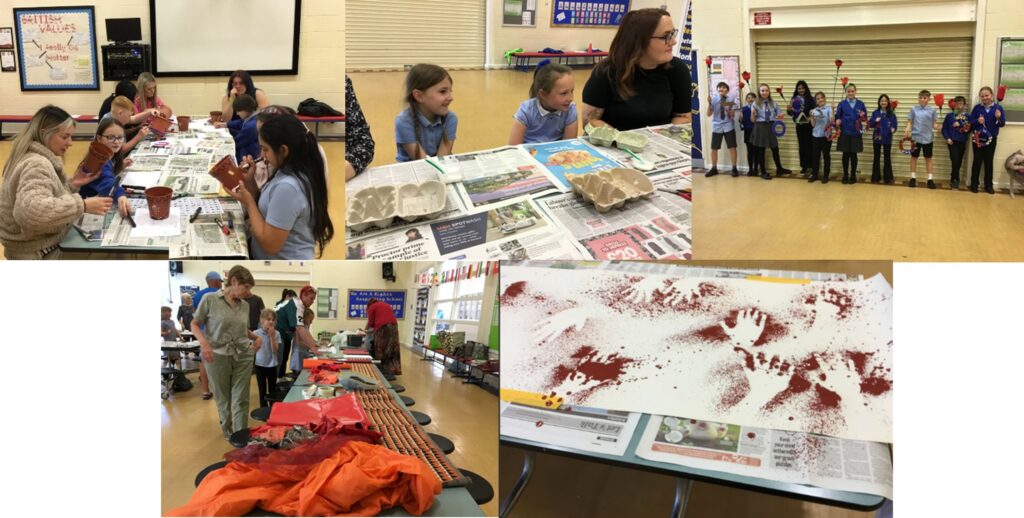
Family Learning Delivered By Calderdale Adult Learning
Family Learning work in partnership with many primary schools across Calderdale to provide an inclusive range of free, creative, innovative and enjoyable hands-on learning experiences.
Family Learning focusses on helping adults with parenting skills, developing an understanding of their children’s needs and improving their own skills to support their child’s developments. Activities are designed to encourage adults and children to learn together, increase parental participation and engagement with the school, enhance the children’s learning at home, their health and well-being, and school readiness. Through Family Learning, adults can reconnect with learning and transform their own lives.
At Dean Field, our Family Learning Sessions are delivered from Reception to Y6 and they are centred around the current History topic.
This year we have workshops based around WWII, Ancient Egypt, Toys Through Time, Anglo Saxons, Ancient Greece and The Great Fire of London.